Home / Articles
Fix Your Posture Naturally: Acupuncture and Herbal Correction Therapy
Home / Articles
Fix Your Posture Naturally: Acupuncture and Herbal Correction Therapy
Posture is more than just how you hold your body—it reflects your internal state. In traditional Korean medicine, posture is a mirror of the balance between organs, meridians, and mental clarity. If you find yourself constantly slouching, tilting your head, or feeling stiffness in your lower back, it could be a sign that something deeper needs attention. Poor posture has been linked not only to musculoskeletal pain but also to fatigue, poor digestion, shallow breathing, and even anxiety.
In our clinic in Jungnang-gu, Seoul, we often treat patients who come in for chronic shoulder or neck pain, only to discover that their posture issues are tied to long-term internal imbalances. Whether it's a weakened kidney system that affects lower back support or emotional stress manifesting as chest tightness, posture is often the symptom, not the root cause.
From students spending hours hunched over their desks to office workers glued to screens, modern life does little to encourage good posture. Yet it’s not just physical habits that contribute to poor alignment. Emotional tension, trauma, and even unresolved anger can settle into the body, tightening muscles and restricting the natural flow of Qi, or vital energy.
In our 18 years of experience, we’ve seen how common issues like forward head posture or a rounded upper back often correlate with stress-related energy blockages in the liver and gallbladder meridians. Even the pelvis can shift out of alignment due to ongoing tension in the hip and lower abdominal region. Without addressing these patterns holistically, posture correction becomes an uphill battle.
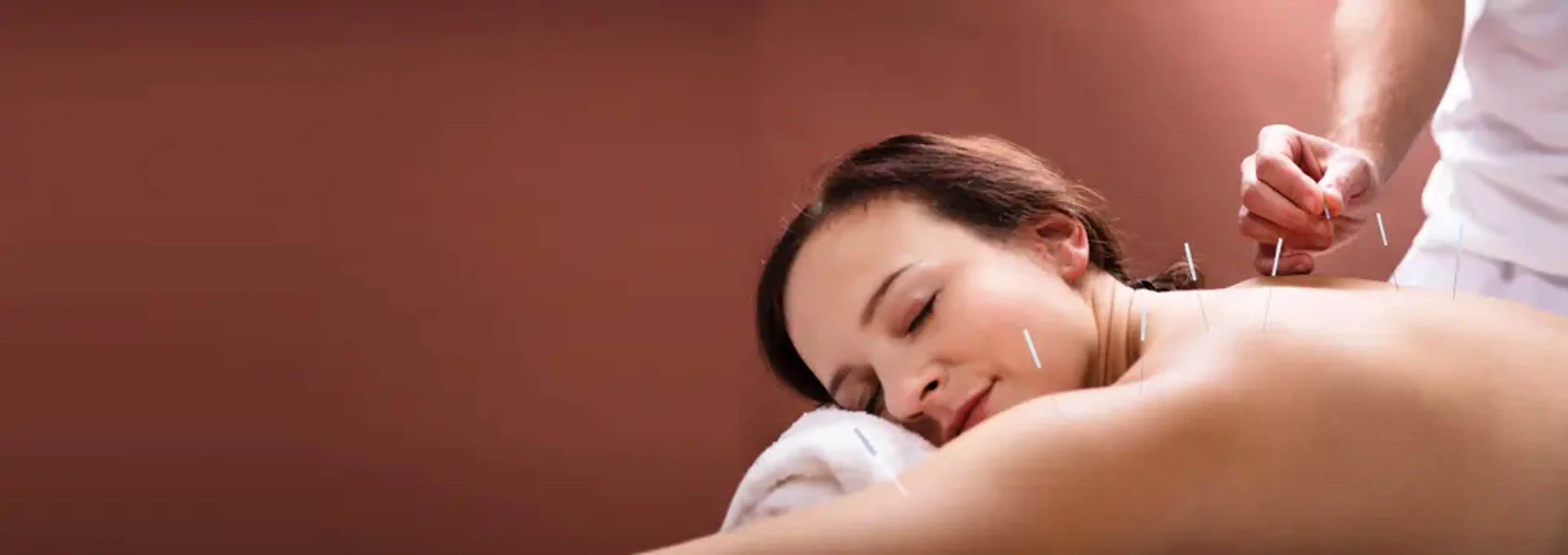
Acupuncture is one of the most effective tools for posture correction because it works both locally and systemically. By inserting fine needles into specific acupoints, we stimulate the muscles, fascia, and energy channels responsible for holding the body upright. It’s not about forcing the spine into place but rather re-educating the body to remember its natural balance.
In more complex cases, such as scoliosis or structural misalignments, acupuncture can relieve compensatory muscle tension and increase range of motion, preparing the body for more permanent correction over time. Combined with musculoskeletal diagnosis, we tailor each session to the individual’s unique body map.
While acupuncture addresses the energetic and muscular components of posture, herbal correction therapy supports the internal systems that uphold structural integrity. In traditional Korean medicine, strong posture is associated with a healthy liver, kidneys, and spleen. These organs nourish the tendons, bones, and muscles—the very tissues that maintain alignment.
Herbal medicine not only enhances physical structure but also supports emotional balance. Many of our posture patients report better sleep, improved mood, and reduced anxiety after a course of herbal therapy. It’s all connected—when the internal environment improves, the body naturally begins to stand taller.
In our clinical experience, posture doesn’t improve with isolated treatments. Relying solely on massage or exercise often yields limited results if the underlying energy pathways and internal imbalances aren’t addressed. That’s why integrative care is at the heart of what we do.
This team-based approach allows us to address posture on multiple levels: mechanical, energetic, and emotional. We don't just treat the site of discomfort; we trace the root cause, whether it's a pelvic tilt, diaphragm tightness, or unresolved emotional tension stored in the body.
One of our most effective tools for posture rehabilitation is the Lee Jung Byun Method, a specialized manual therapy technique that combines biomechanical assessment with traditional acupoint stimulation. This method helps retrain the body’s movement patterns by gently guiding joints and muscles into better alignment over time.
Unlike rigid braces or one-size-fits-all solutions, the Lee Jung Byun Method is highly personalized. It teaches the body how to move differently, so the corrections become lasting. Patients often start to notice subtle but meaningful changes: less pain while walking, better balance, and even improved confidence in their posture.
Posture is not just a physical condition—it's also deeply emotional. Through our Mind School Program, we explore how stress, trauma, and long-held emotions shape the way we carry ourselves. Slouching, for instance, can be a physical expression of emotional withdrawal.
The Mind School combines mindfulness techniques, breathwork, and guided self-reflection to help patients become more aware of their mental and physical habits. When emotional burdens are lifted, the body often follows. As one of our patients shared, "After just a few sessions, I realized I was standing taller not because I was trying to, but because I felt lighter inside."
From there, we create a personalized plan that may include weekly acupuncture, custom herbal prescriptions, targeted manual therapy, and home exercises. Many patients begin to notice changes within the first month, though full correction typically requires consistent care over 2–3 months.
We also emphasize patient education. Understanding your body’s patterns is key to lasting change. During your treatment journey, we guide you through simple lifestyle adjustments, posture cues, and breathwork techniques that reinforce your in-clinic progress.
Healing doesn’t happen overnight, but you are not alone in your journey. Whether you've been dealing with discomfort for years or you're just starting to notice signs of imbalance, integrative care offers a safe, effective, and deeply holistic path forward.